The Char Dham Yatra to Yamunotri, Gangotri, Kedarnath and Badrinath is a dream journey for many families in Gwalior. Travelling by cab gives you flexibility: you set the pace, stop when elders need rest and avoid the stress of changing buses. But the Himalayas demand good planning. Use this checklist to prepare.
1. Choose the right season
The shrines usually open around Akshaya Tritiya (April–May) and close around Diwali and Bhai Dooj (October–November). The best windows are:
- May to June: pleasant weather, but the busiest period.
- September to October: clear skies after the monsoon and smaller crowds.
Avoid the peak monsoon (July and August), when landslides can block roads for hours or days.
2. Complete the registration
Uttarakhand requires every pilgrim to register before the yatra. Registration can be done online or at counters in Haridwar and Rishikesh. Keep a printed and digital copy, along with your photo ID, for every member of the group. Kedarnath helicopter tickets, if you want them, should be booked only through the official portal.
3. Plan a realistic itinerary
From Gwalior, the road trip goes via Agra and Delhi to Haridwar, the gateway to the hills. A comfortable plan takes 11 to 12 days:
- Days 1–2: Gwalior to Haridwar, with a night halt on the way if travelling with elders.
- Days 3–4: Barkot and Yamunotri (trek of about 6 km from Janki Chatti).
- Days 5–6: Uttarkashi and Gangotri.
- Days 7–8: Guptkashi or Sonprayag, then Kedarnath (trek of about 16 km from Gaurikund, or helicopter).
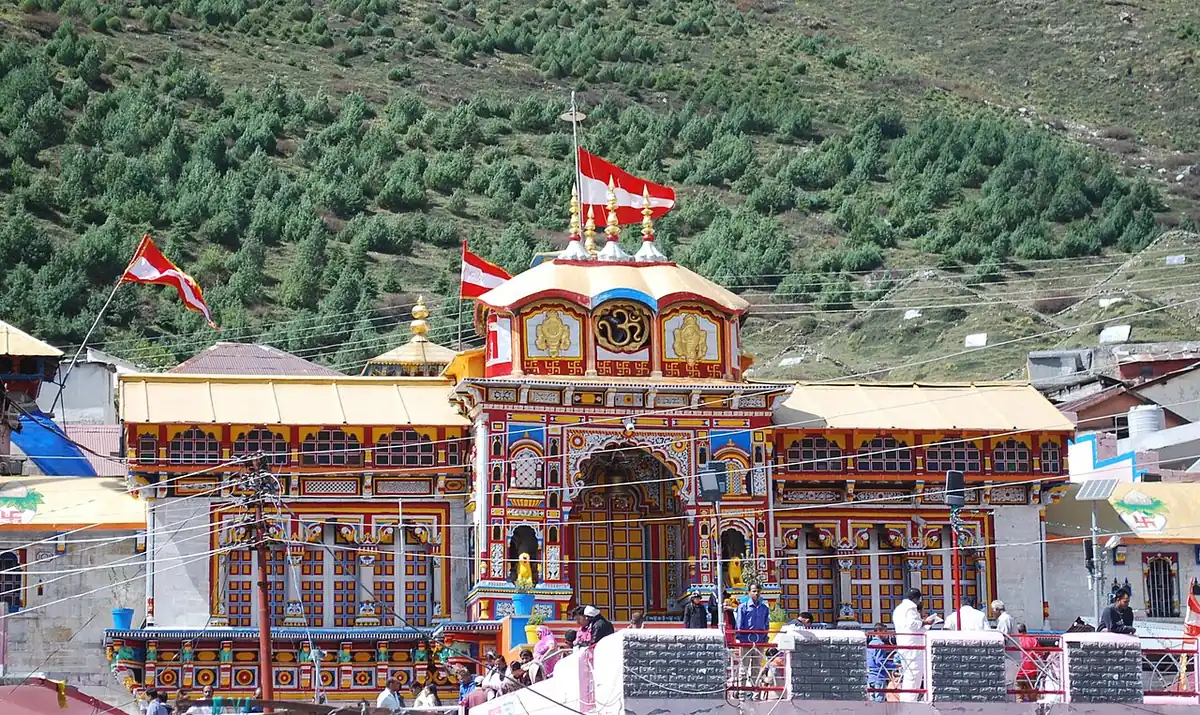
- Days 9–10: Badrinath, with a visit to Mana village.
- Days 11–12: Return via Rishikesh and Haridwar.
Do not try to squeeze this into fewer days. Mountain driving is slow, and rest is important at altitude.
4. Pick the right vehicle and driver
Mountain roads are narrow, with sharp bends and sudden weather changes. You need a well-maintained vehicle and, above all, a driver experienced in hill driving. Families of six to seven usually choose an Innova; larger groups prefer a Tempo Traveller with pushback seats. Note that private vehicles from other states need valid permits and documents for Uttarakhand, which we arrange before departure.
5. Health checks for elders
- Get a basic medical check-up before the yatra, especially for heart, blood pressure or breathing conditions.
- Carry regular medicines for the whole trip plus a few extra days.
- Ponies, palkis and helicopters are available at Kedarnath and Yamunotri for those who cannot trek.
- Walk slowly, drink water and rest if you feel dizzy or breathless.
6. Packing checklist
- Warm jacket, thermals, woollen cap and gloves, even in May.
- Raincoat or poncho and a small umbrella.
- Comfortable trekking shoes with good grip.
- Personal medicines, a basic first-aid kit and ORS sachets.
- Torch, power bank and spare phone charger.
- Photo IDs, registration printouts and some cash, as ATMs are limited in the hills.
- Dry fruits and light snacks for long drives.
7. On the road
- Start early each day; afternoon rain and traffic are common.
- Avoid driving in the hills after dark.
- Follow police and administration advisories about road closures.
- Keep your phone charged and share your live location with family at home.
8. Stay flexible
Weather in the Himalayas can change quickly. Keep one buffer day in your plan, so a short road closure does not spoil the whole yatra. Our drivers stay updated on road conditions and adjust the plan for your safety.
Planning the Char Dham Yatra from Gwalior? Share your travel month, number of pilgrims and any special needs on WhatsApp. We will suggest a comfortable itinerary, the right vehicle and a driver experienced in mountain roads.